A quality and compliance manager argues that small cast alloy wheel orders deserve the same supplier vetting, RFQ documentation, and total landed cost analysis as 5,000-piece industrial projects — and explains why the industry's habit of brushing them off costs buyers more than it saves.
Buying Method Race Wheels alternative products on lowest bid is costing commercial projects more than the sticker price. A quality compliance manager explains why unverified specs and unwritten lead times are the real problem — and how to compare supplier options correctly.
Use the guides in order
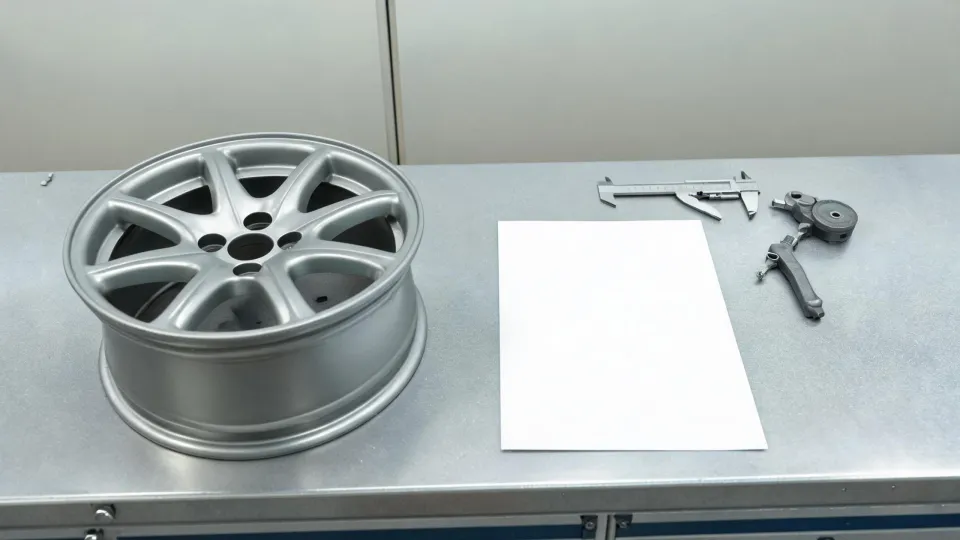
Start with the specification guide if you have an existing truck wheel but lack a complete order description. Photograph the wheel and record the markings for your reviewer. Build the brief around the truck’s year, trim, axle and brake package so a shop can distinguish the proposed mounting from the wheel in the photograph.
Use the comparison guide once you have enough information to request two offers on a common basis. Record how many wheels are in a set, whether cartons or mounting hardware are included, and which party arranges delivery. Keep supplier assumptions beside the price so the person reviewing the bids can trace a difference back to its source.
When a supplier offers a different process or finish, put that proposal on its own line. A cast, flow-formed or forged part can merit review for different reasons, including load evidence, weight, order minimum or sampling cost. Check the exact drawing and conditions that support any comparison rather than relying on the process name alone.
Share the final requirement list with your fleet or vehicle reviewer before approving the sample. Ask receiving to review lot labels and the handoff ZIP code. The person requesting prices can then see which assumptions the technical and receiving teams have already checked.